What is a Smart Grid IoT solution?
A Smart Grid IoT solution uses sensors and real-time data to monitor, control and optimise the flow of electricity across generation, transmission, distribution and consumption assets. Rayven's IoT platform connects to any grid asset, centralises all operational data, delivers fault and threshold alerts, and provides analytics to improve grid reliability, efficiency and renewable integration.
What assets can a Smart Grid solution monitor?
The solution monitors transformers, switchgear, distribution lines, substations, meters, solar inverters, battery storage systems, EV charging infrastructure, demand response loads and power quality parameters including voltage, current, frequency, power factor and harmonics.
How does IoT monitoring improve grid reliability?
Continuous monitoring detects early signs of transformer overheating, cable degradation, voltage excursions and equipment anomalies before they cause outages. Automated alerts enable maintenance teams to intervene proactively, reducing unplanned outages and improving network reliability for customers and regulators.
How does a Smart Grid solution support renewable energy integration?
The platform monitors solar and wind generation output in real-time, enabling dynamic load balancing, battery dispatch optimisation and curtailment management. Accurate generation data helps grid operators plan for renewable variability and maintain stability without excessive spinning reserve.
Can the solution integrate with existing SCADA and energy management systems?
Yes. Rayven's Integration Layer connects to existing SCADA platforms, energy management systems, smart meters and DER management systems via Modbus, DNP3, IEC 61850, MQTT and REST APIs. Legacy assets can be monitored without replacement.
How does the solution support demand response programs?
The platform monitors controllable loads in real-time and can trigger automated demand reduction actions - such as adjusting HVAC setpoints, deferring industrial processes or dispatching battery storage - in response to grid signals, price events or operator instructions.
What reporting does a Smart Grid solution provide?
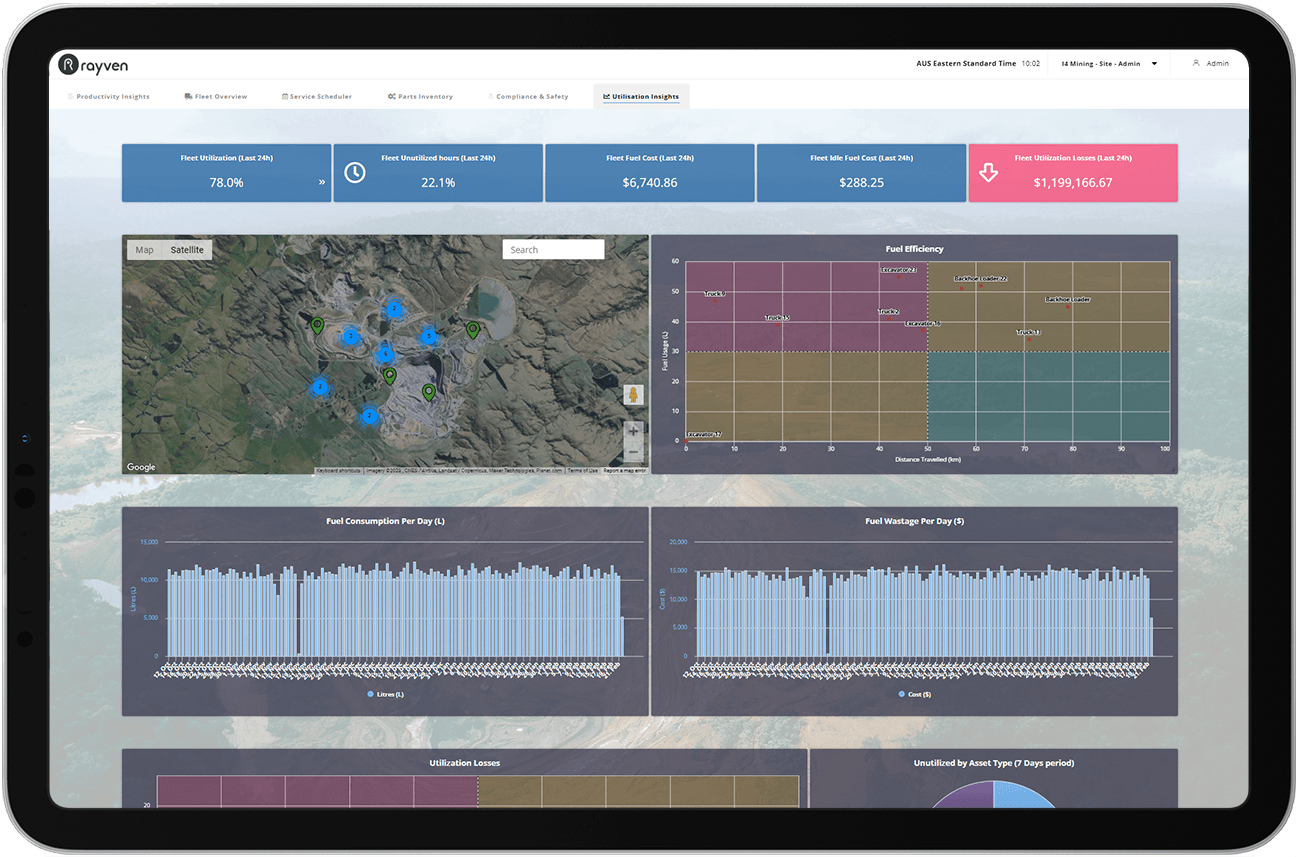
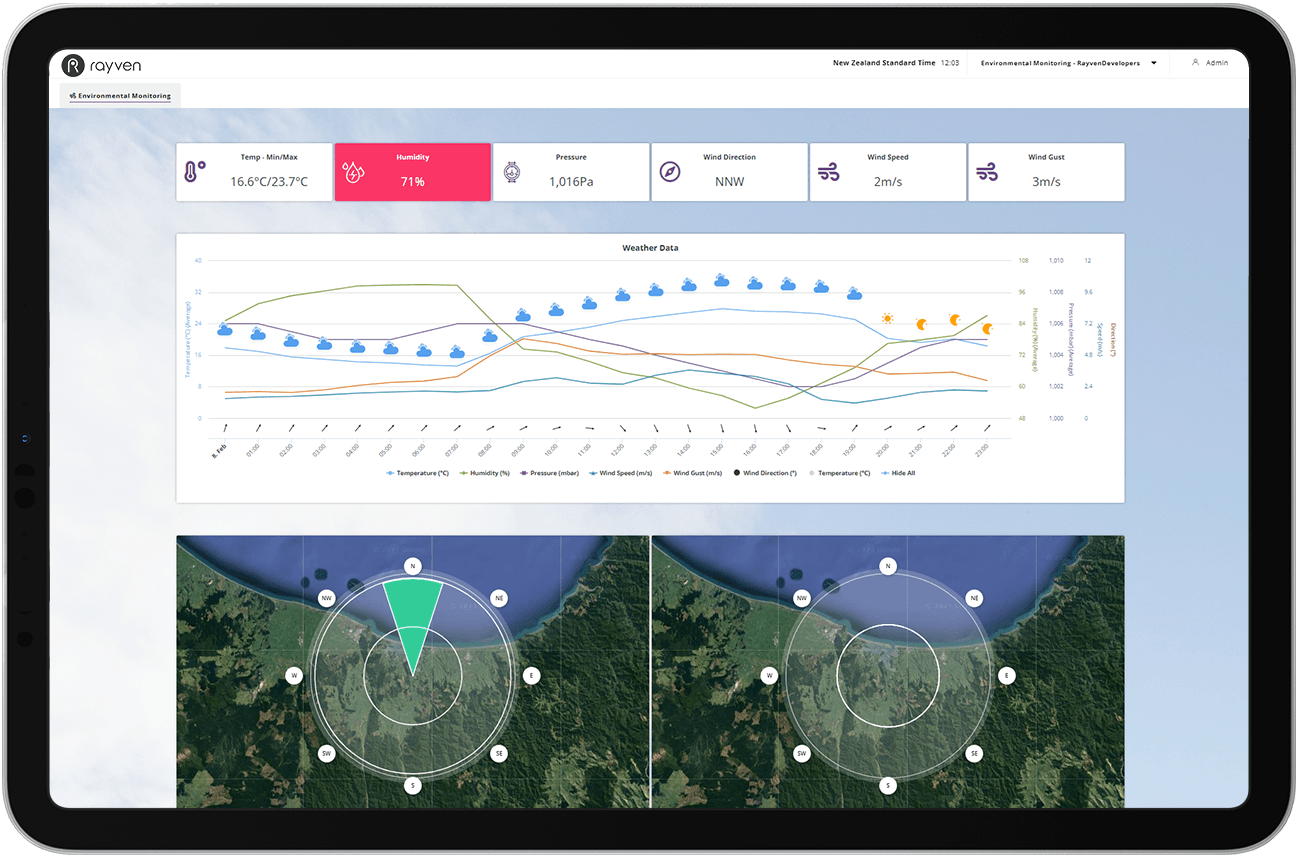
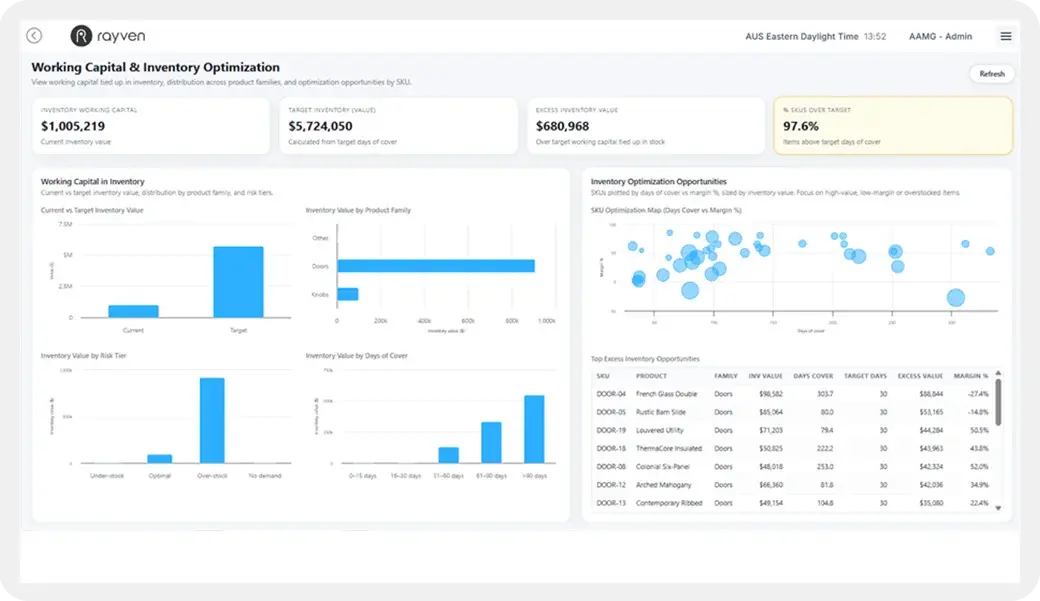
Operators receive real-time grid status dashboards, fault event logs, power quality analysis, energy balance reports, renewable generation analytics and regulatory performance metrics. Data supports network planning, asset management and regulatory compliance reporting to energy market operators.
How quickly can a Smart Grid IoT solution be deployed?
Most clients go live in 2-12 weeks for the monitoring layer. Rayven's pre-built grid monitoring components cover the majority of the build, with asset types, communication protocols and alert thresholds configured for your specific network topology.
What organisations use Smart Grid IoT solutions?
Smart grid monitoring is used by distribution network service providers, energy retailers, large industrial energy consumers, mining operations, universities and microgrids. Any organisation managing grid-connected electrical infrastructure at scale benefits from real-time grid intelligence.
How does Rayven's Smart Grid solution cost less than specialist energy management systems?
Rayven charges a flat subscription with no per-asset or per-meter fees, uses pre-built grid monitoring components and avoids specialist energy technology vendor mark-ups. Reduced outage duration and improved asset utilisation typically deliver rapid return on investment. Book a demo to compare.





























/Website%202026/Partner%20+%20Tech%20Logos/Integration-mulesoft.webp) Integration
Integration/Website%202026/Partner%20+%20Tech%20Logos/storage-snowflake.webp) Storage
Storage/Website%202026/Partner%20+%20Tech%20Logos/Streaming-Confluent.webp) Streaming
Streaming/Website%202026/Partner%20+%20Tech%20Logos/workflow-zapier.webp) Workflow
Workflow/Website%202026/Other%20Pages/Bubble-alt.png) App Dev
App Dev/Website%202026/Partner%20+%20Tech%20Logos/Data-Lake-Databricks.webp) Data Lake
Data Lake/Website%202026/Partner%20+%20Tech%20Logos/Visualization-PowerBI.webp) Visualization
Visualization/Website%202026/Partner%20+%20Tech%20Logos/IoT-ML-AWS.webp) IoT / ML
IoT / ML/Website%202026/Partner%20+%20Tech%20Logos/Security-Crowdstrike.webp) Security
Security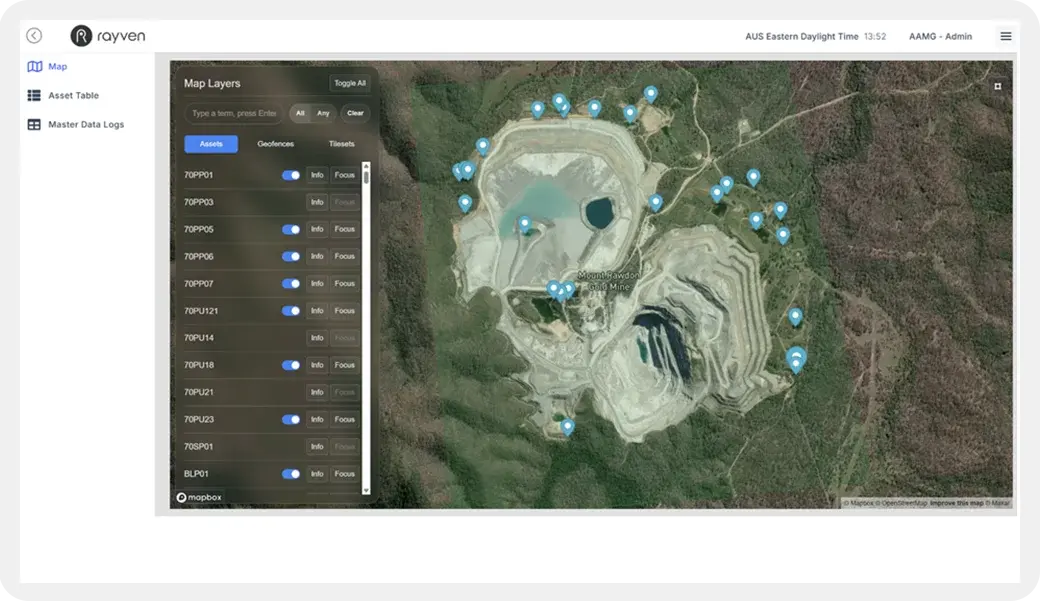


/Website%202026/Industries%202026/Construction%20+%20Infrastructure/Construction%20+%20Infrastructure%20Tech%20Logos/Siemens-logo-300.webp)
/Website%202026/Industries%202026/Energy,%20Utilities%20+%20Water/Energy,%20Utilities%20+%20Water%20Tech%20Logos/ABB-logo-300.webp)
/Website%202026/Industries%202026/Facility%20Management/Facility%20Management%20Tech%20Logos/Rockwell_Automation_logo-300.png)
/Website%202026/Industries%202026/Construction%20+%20Infrastructure/Construction%20+%20Infrastructure%20Tech%20Logos/Honeywell_logo-300.webp)
/Website%202026/Industries%202026/Energy,%20Utilities%20+%20Water/Energy,%20Utilities%20+%20Water%20Tech%20Logos/Schenider-electric.png)
/Website%202026/Industries%202026/Energy,%20Utilities%20+%20Water/Energy,%20Utilities%20+%20Water%20Tech%20Logos/ecostruxurelogo-300.png)
/Website%202026/Industries%202026/Energy,%20Utilities%20+%20Water/Energy,%20Utilities%20+%20Water%20Tech%20Logos/Aveva-logo-300.webp)
/Website%202026/Industries%202026/Energy,%20Utilities%20+%20Water/Energy,%20Utilities%20+%20Water%20Tech%20Logos/GE-logo-300.webp)

/Website%202026/Industries%202026/Mining/Mining%20Tech%20Logos/IBM-logo-300.webp)
/Website%202026/Industries%202026/Energy,%20Utilities%20+%20Water/Energy,%20Utilities%20+%20Water%20Tech%20Logos/OSIsoft-logo-300.png)
/Website%202026/Industries%202026/Energy,%20Utilities%20+%20Water/Energy,%20Utilities%20+%20Water%20Tech%20Logos/IgnitionLogo-300.png)
/Website%202026/Industries%202026/Energy,%20Utilities%20+%20Water/Energy,%20Utilities%20+%20Water%20Tech%20Logos/Hitachi-logo-300.png)
/Website%202026/Industries%202026/Construction%20+%20Infrastructure/Construction%20+%20Infrastructure%20Tech%20Logos/Samsara-logo-300.png)
/Website%202026/Industries%202026/Construction%20+%20Infrastructure/Construction%20+%20Infrastructure%20Tech%20Logos/CAT-VisionLink-logo-300.png)
/Website%202026/Industries%202026/Construction%20+%20Infrastructure/Construction%20+%20Infrastructure%20Tech%20Logos/Komtrax-logo-300.png)

/Website%202026/Industries%202026/Construction%20+%20Infrastructure/Construction%20+%20Infrastructure%20Tech%20Logos/Trimble_Logo-300.png)
/Website%202026/Industries%202026/Construction%20+%20Infrastructure/Construction%20+%20Infrastructure%20Tech%20Logos/Xylem_Logo-300.png)
/Website%202026/Industries%202026/Energy,%20Utilities%20+%20Water/Energy,%20Utilities%20+%20Water%20Tech%20Logos/Taggle-logo-300.png)
/Website%202026/Industries%202026/Energy,%20Utilities%20+%20Water/Energy,%20Utilities%20+%20Water%20Tech%20Logos/itron-logo-300.png)
/Website%202026/Industries%202026/Energy,%20Utilities%20+%20Water/Energy,%20Utilities%20+%20Water%20Tech%20Logos/landis-gy-logo-300.png)
/Website%202026/Industries%202026/Energy,%20Utilities%20+%20Water/Energy,%20Utilities%20+%20Water%20Tech%20Logos/Elster-logo-300.webp)
/Website%202026/Industries%202026/Manufacturing/Manufacturing%20Tech%20Logos/fiix-logo-300.webp)
/Website%202026/Industries%202026/Facility%20Management/Facility%20Management%20Tech%20Logos/MEXLogo-300.png)
/Website%202026/Industries%202026/Energy,%20Utilities%20+%20Water/Energy,%20Utilities%20+%20Water%20Tech%20Logos/Damastra-logo-300.png)
/Website%202026/Industries%202026/Energy,%20Utilities%20+%20Water/Energy,%20Utilities%20+%20Water%20Tech%20Logos/SAP-logo-300.webp)
/Website%202026/Industries%202026/Mining/Mining%20Tech%20Logos/Oracle-Logo-300.webp)







/Website%202026/Industries%202026/Facility%20Management/Facility%20Management%20Tech%20Logos/QuickBooks-300.png)






/Website%202026/Industries%202026/Manufacturing/Manufacturing%20Tech%20Logos/Outlook-Emblem-300.png)