





















Platform > Integration Layer > IoT Devices + Protocols
IoT devices + protocols.
Connect industrial assets, sensors + field devices using native support for MQTT, Modbus, LoRaWAN, SNMP, OPC + more - real-time, per-asset, and at-scale.



CAPABILITY OVERVIEW
Real-time data from any device, any protocol.
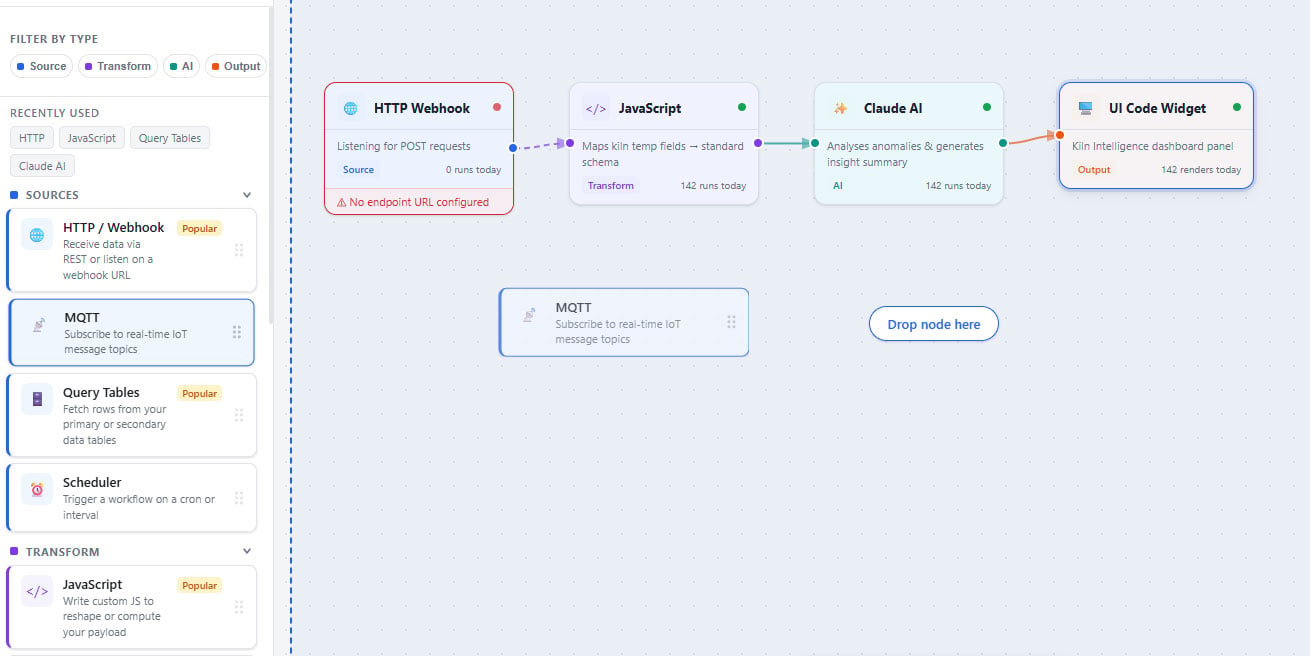
Rayven provides native connectivity for the industrial protocols + IoT standards used across operational environments.
Sensor data, device telemetry + machine readings are ingested in real-time, stored per-asset in Cassandra's time-series engine, and made immediately available to workflow logic, AI models + operational dashboards. No gateway translation layer. No protocol conversion middleware.
Inbound connections include:
-
MQTT
-
Modbus TCP + Modbus RTU
-
LoRaWAN
-
SNMP (v1, v2c, v3)
-
Raw UDP
-
AMQ
-
OPC-DA + OPC-UA
-
HTTP (device POST)
Outbound connections include:
-
Output to MQTT (publish to broker)
-
Output to Modbus (write coil or register to device)
KEY CAPABILITIES
What IoT Devices + Protocols give you.
MQTT
Subscribe to MQTT brokers for real-time device telemetry. Supports configurable topic filters, QoS levels + certificate-based authentication for secure device communications.
Modbus TCP + RTU
Read + write Modbus registers directly. Supports Modbus TCP over IP networks + Modbus RTU over serial connections - used for PLCs, drives, meters + industrial controllers.
LoRaWAN
Ingest sensor data from LoRaWAN network servers. Supports low-power, wide-area sensor networks for remote monitoring across large sites - environmental, agricultural + infrastructure.
SNMP + Raw UDP
Ingest SNMP traps + poll MIB data from network-managed devices. Raw UDP supports custom binary protocols from specialised industrial hardware not covered by standard connectors.
OPC-DA + OPC-UA
Connect to OPC-DA and OPC-UA servers for standardised industrial data access. Used in SCADA environments, historian systems + manufacturing automation platforms.
Per-asset time-series storage
Every device data point is stored in Cassandra, indexed by UID + timestamp. Enables per-asset trend analysis, anomaly detection + predictive maintenance at scale across large device fleets.
HOW IT CONNECTS: EXPLAINER
Where IoT Devices + Protocols fit in the Rayven Platform stack.
IoT + industrial protocol nodes sit in the Integration Layer as the ingestion point for real-time device + sensor data.
Once ingested, data flows into:
-
The Data Layer where Cassandra stores time-series data per-asset UID + aggregation nodes calculate rolling metrics
-
The Execution Layer where workflows evaluate thresholds, run ML models + trigger automated responses
-
The Presentation Layer for real-time dashboards, alerts + map-based asset visualisations
Outbound nodes write control commands back to devices via Modbus write or MQTT publish - closing the control loop within the same workflow.
USE CASES
How IoT Devices + Protocols gets used.
Fleet telemetry + predictive maintenance
Fleet equipment streams telemetry via MQTT. Rayven stores per-asset readings in Cassandra, runs a Python ML model against the rolling time series + fires a maintenance alert when predicted failure probability exceeds threshold - before breakdown occurs.
Environmental compliance monitoring
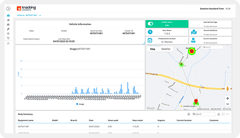
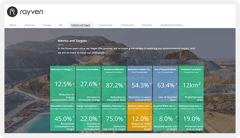
Sensors across a construction site transmit dust, noise + water quality readings via LoRaWAN. Rayven ingests all streams, evaluates against regulatory limits + generates automated compliance reports - no manual data collection required.
Partner-built utility monitoring platform
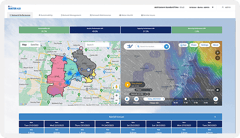
An MSP uses MQTT + Modbus connectors to build a white-label energy monitoring platform. Each client's assets stream into a branded portal with per-site dashboards - delivered as the partner's own monitoring product.
IoT Devices + Protocols FAQs:
Which IoT protocols does Rayven support natively?
MQTT, Modbus TCP/RTU, LoRaWAN, SNMP, Raw UDP, AMQP, OPC-DA + OPC-UA + HTTP device POST. Coverage spans both IT + OT environments. See all connectivity options in the Integration Layer.
Can Rayven write control commands back to devices?
Yes. Output to Modbus nodes write coil/register values to Modbus-connected devices. Output to MQTT nodes publish to any broker. Closed-loop control workflows are a native capability. Explore the Control + Automation layer.
How is high-frequency sensor data stored?
All device data is written to Cassandra, indexed by UID + timestamp. Cassandra is optimised for high-frequency time-series writes - thousands of assets writing simultaneously is a standard deployment pattern. Learn more about Data Layer storage.
What authentication methods are supported for device connections?
MQTT supports certificate-based auth + username/password. Modbus uses connection-string configuration. LoRaWAN uses application-level keys via the network server. SNMP supports v1, v2c + v3. See platform security for full details.
Can Rayven handle thousands of devices simultaneously?
Yes. Rayven's per-UID iterative workflow architecture means each device runs its own workflow instance independently. Scaling to thousands of concurrent device streams is standard. See how the Integration Layer manages scale.
Is there support for legacy industrial hardware?
Yes. Modbus RTU covers legacy serial devices. SNMP covers older network-managed hardware. Raw UDP covers custom binary protocols. For hardware with no standard output, Custom Integrations bridge the gap.
Can IoT data feed AI models in the same workflow?
Yes. Raw or aggregated device data can feed directly into a Python ML model or LLM node within the same workflow - for anomaly detection, predictive maintenance or natural language reporting. See AI Models + Training.
Does Rayven support OPC-UA for SCADA integration?
Yes. OPC-UA connectivity is supported for standardised access to SCADA systems, historians + modern industrial automation platforms. OPC-DA is also supported for legacy systems. See all Integration Layer protocols.
How are LoRaWAN devices configured?
LoRaWAN devices connect via a configured network server endpoint. Rayven ingests the decoded payload from the network server. Device provisioning + network management remain with the existing LoRa infrastructure. See Integration Layer setup options.
Can sensor data trigger dashboards + alerts simultaneously?
Yes. A single workflow can store a reading to Cassandra, evaluate it against a threshold + fire an SMS alert within the same execution chain. Dashboard auto-refresh displays the value within 30 seconds. See Dashboards + Visualisations.
Also in the Integration Layer:
Fast-Track IT/OT Connectors
1,228+ fast-track connectors across CRM, ERP, BI, AI/LLM services + industrial systems.
File Uploads
Ingest files directly via FTP, FTPS, SFTP + AWS S3, or through manual uploads within the platform.
Forms + Manual Input
Capture structured data from human input via configurable form widgets, feeding directly into workflows.
Custom Integrations
Build bespoke two-way integrations via HTTP request nodes, REST API adapters + custom webhook endpoints.
API Endpoints
Expose processed platform data to external systems via authenticated GET endpoints + inbound POST hooks.
AI Connectors
Connect to OpenAI, Claude, Gemini, Cohere + more as workflow nodes for LLM-powered integration + processing.
Streaming Data Connectors
High-frequency ingestion via AWS Kinesis, MQTT + AMQP into Cassandra time-series storage.
Join the Shift
Discover the easy way to do something new.
Book a free 30 minute assessment with our team and we'll scope your project, needs + what a solution might look like.